

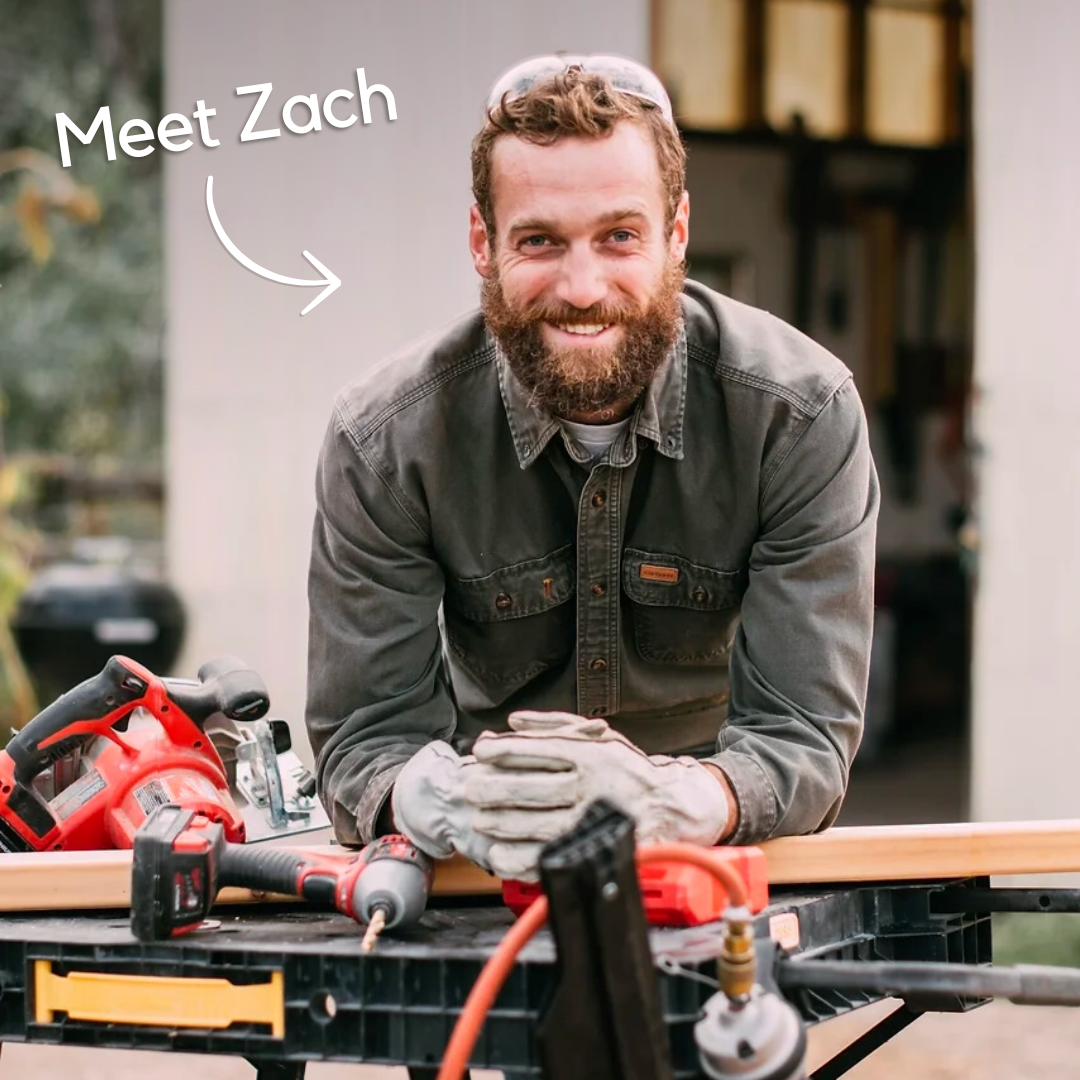
Zach built his first treehouse with his grandfather when he was six. He’s been working with his hands ever since, in one form or another.
The professional version started in Portland, flipping houses with his uncle. Then a framing crew in Colorado — three guys with almost 50 years of carpentry between them — who taught him the skeleton of a house from the foundation up. Then a few years on a residential GC team, learning client management, tile, trim, and finish work. Then three years apprenticing under a master electrician.
At a certain point, he looked at the full picture of what he’d learned: structural carpentry, finish work, electrical, client management, the rhythm of a project from first call to final walkthrough. He could see he had the full kit. That’s when he started Foothills Homes.
Hands on, every job
Zach runs every project himself, bringing in trusted specialists when the work calls for it. He lives in the foothills, works in the foothills, and the people whose homes he works on are his neighbors.
That hands-on approach is the whole point of Foothills Homes — one person accountable from the first call to the final walkthrough.
Why everything goes in writing
Early on, Zach took on what looked like a straightforward job: swap out a sliding door for a thousand dollars. Then the client ordered a door bigger than the opening. Everything had to be reframed, and the project tripled in scope.
He’d talked about the cost going up. The client had agreed verbally. When the invoice came, they said they hadn’t.
Now everything goes in writing — scope changes, additions, surprises behind the wall, all of it. Texted, emailed, signed off. Not because Zach doesn’t trust people, but because a handshake doesn’t help anyone when memories get foggy. The principle: over-communicate, get it in writing, and don’t let anyone be surprised.
What he’s actually trained in
The carpentry came first, from family. The deeper structural work came from the framing crew. The finish work — tile, trim, crown molding — came from years in residential remodeling. The electrical came from three years of formal apprenticeship under a master electrician.
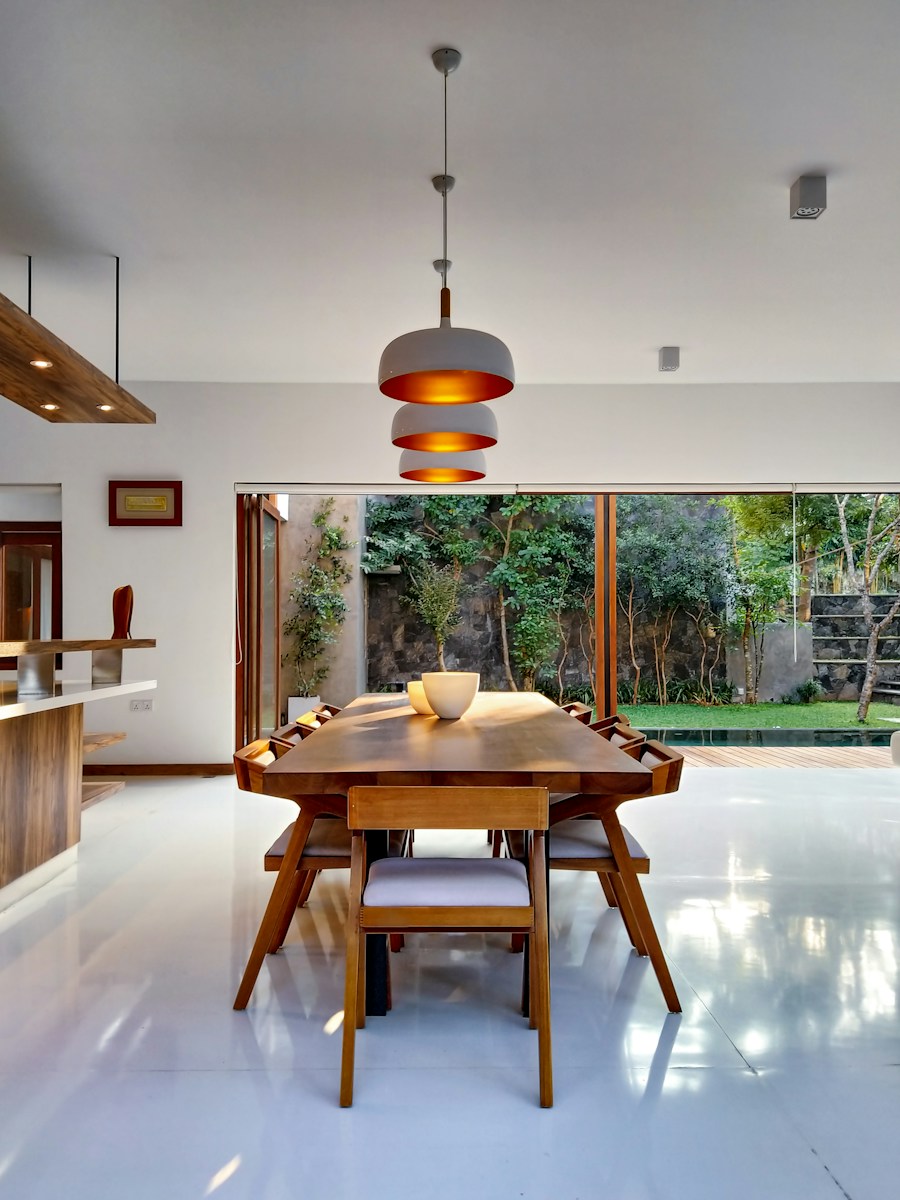
He doesn’t specialize narrowly the way most contractors do. He went the other direction on purpose, so he could see a problem and understand all the layers it touched: the wall, the wire behind it, the trim around it, and the finish on top. That’s the work he likes most — projects where multiple trades come into the same room and somebody has to think about how they fit together.
He’ll tell you what’s actually possible
Most projects involve some version of the same conversation. You want it done well, you want it done soon, and you want it done within a budget. Zach will tell you upfront which two of those three he can deliver on, and why all three usually can’t happen at once.
That’s not a sales pitch. It’s how he thinks. Once a client knows where the real tradeoffs are, the rest of the conversation gets a lot easier.
When he’s not on a job
When Zach’s not on a jobsite, he’s often at the pottery wheel. He’s been throwing since high school and still finds it the most satisfying way to use his hands that isn’t carpentry. He’s also out with his dog a lot — a German Shorthaired Pointer — mostly pheasant hunting in the fall, with some elk hunting and gold prospecting when the season allows.
The throughline isn’t really hobbies. It’s that he likes activities where attention matters. Hunting, pottery, carpentry: all things you can’t half-do while thinking about something else.
What he wants you to know
Most of what makes a renovation or a repair go well happens before the work even starts — the conversation about what you want, the honest scope, the expectations laid out clearly, the written estimate. That’s the part Zach takes most seriously, because it’s the part most contractors skip. Once that’s right, the work tends to follow.